I've been thinking a lot about this lately, but especially today as I read through the comments of yesterday's post about my experience with Southwest Airlines.
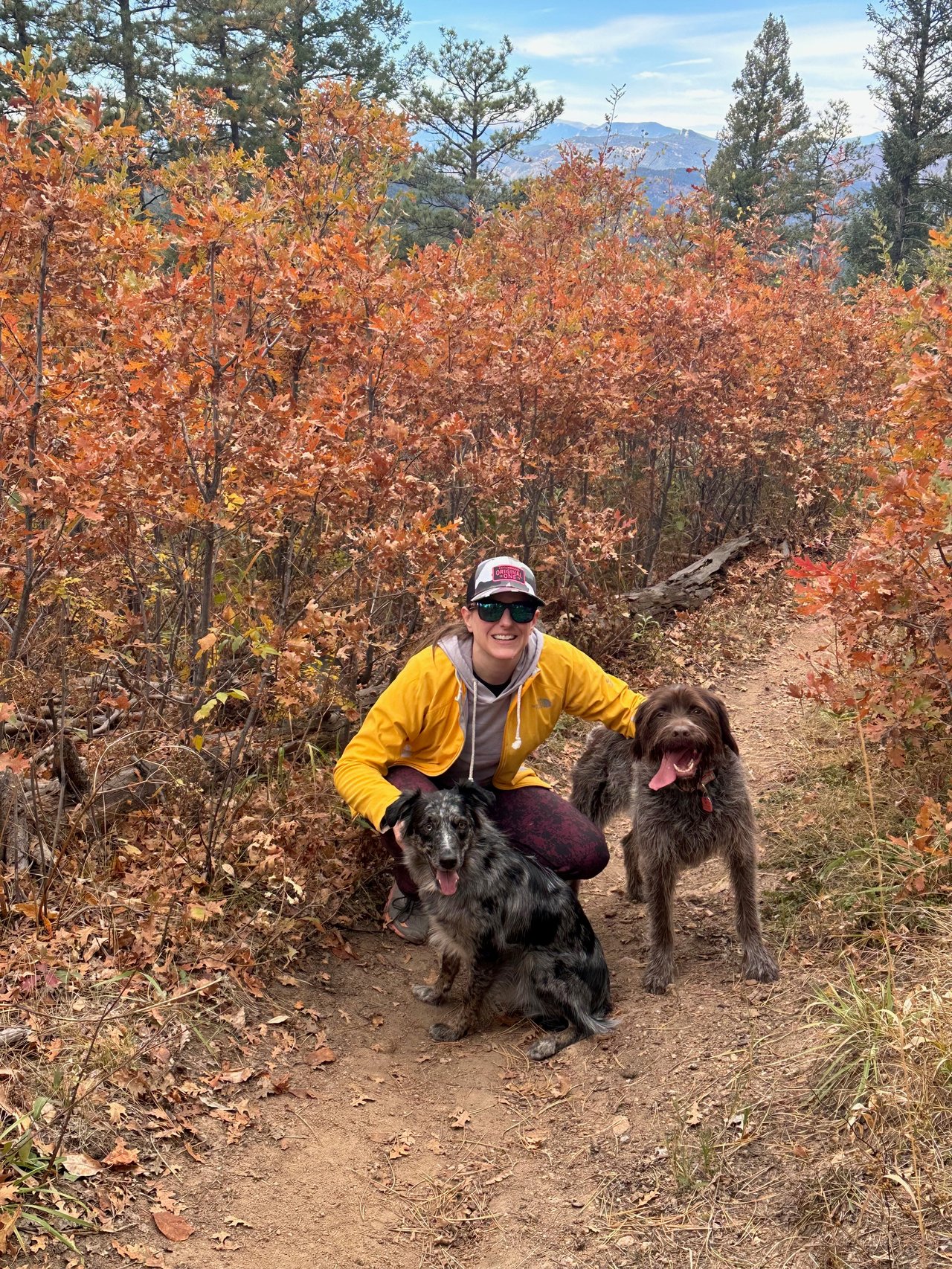
Loyalty is simple when it's mutual, like the intense loyalty between us and our dogs.
They don't track points, evaluate alternatives, or reconsider every transaction.
They show up...every day...full stop!
Now think about how complicated we've made loyalty everywhere else. I noticed, after that Southwest post blew up, one theme kept surfacing in the comments: "I've been loyal for years."
Underneath that was something much heavier: "Does it even matter?"
That's a legitimate question.
We were raised to believe loyalty is a virtue. We were taught to stick with the brand, the company, the relationship. We were told it was unacceptable to jump ship at any sign of imperfection, to not be flaky, to never simply chase "the next big thing."
Loyalty once meant character...and to me, it still does.
However, somewhere along the way, loyalty quietly shifted from being reciprocal, to being expected.
Companies build entire strategies around "customer loyalty." Points systems and status tiers - all perks that make you feel seen...until they don't. They make you feel seen until the policy tightens, the benefit shrinks, and the flexibility disappears. None of this happens dramatically...it happens incrementally.
The subtle piece to this is that most of us don't leave over one change. We leave when the feeling changes. Read that again. We don't leave over the change; we leave when the feeling changes.
We leave when we start sensing we are being optimized instead of valued. We leave when the relationship starts feeling like math, rather than trust.
This isn't only airlines. This is employers who preach culture...until the quarterly numbers dip. This is vendors who were responsive when they needed your business but go silent once they have it. This is service providers who slowly replace judgement with automation in the name of "efficiency".
If we're being honest, it can show up in our business, too. We mindfully consider this every day.
Loyalty becomes something we expect instead of something we earn.
The brutal reality: Sometimes we stay loyal long after the relationship stops making sense.
Why? Because we've invested time. Because switching feels annoying. Because we remember how good it once was.
That's no longer loyalty. That's inertia...and inertia feels a lot like commitment - until it doesn't.
In real estate, this matters now more than ever. There are a bazillion agents out there and everyone knows 7+. Clients don't owe us their business because we've worked hard in the past. They don't stay because of history alone. They stay because the experience continues to feel aligned, human, and responsive. They stay because they know they mean far more to us than a transaction.
The second it starts to feel transactional, the clock starts ticking. Not loudly...quietly.
That quiet erosion is the most dangerous kind.
Maybe the better question isn't "How do we build loyalty?"
Maybe it's, "Are we still deserving of it?"
Loyalty isn't a lifetime achievement award. It's a living agreement that must be nurtured. It survives only when both sides keep choosing it.
Every. Single. Time.