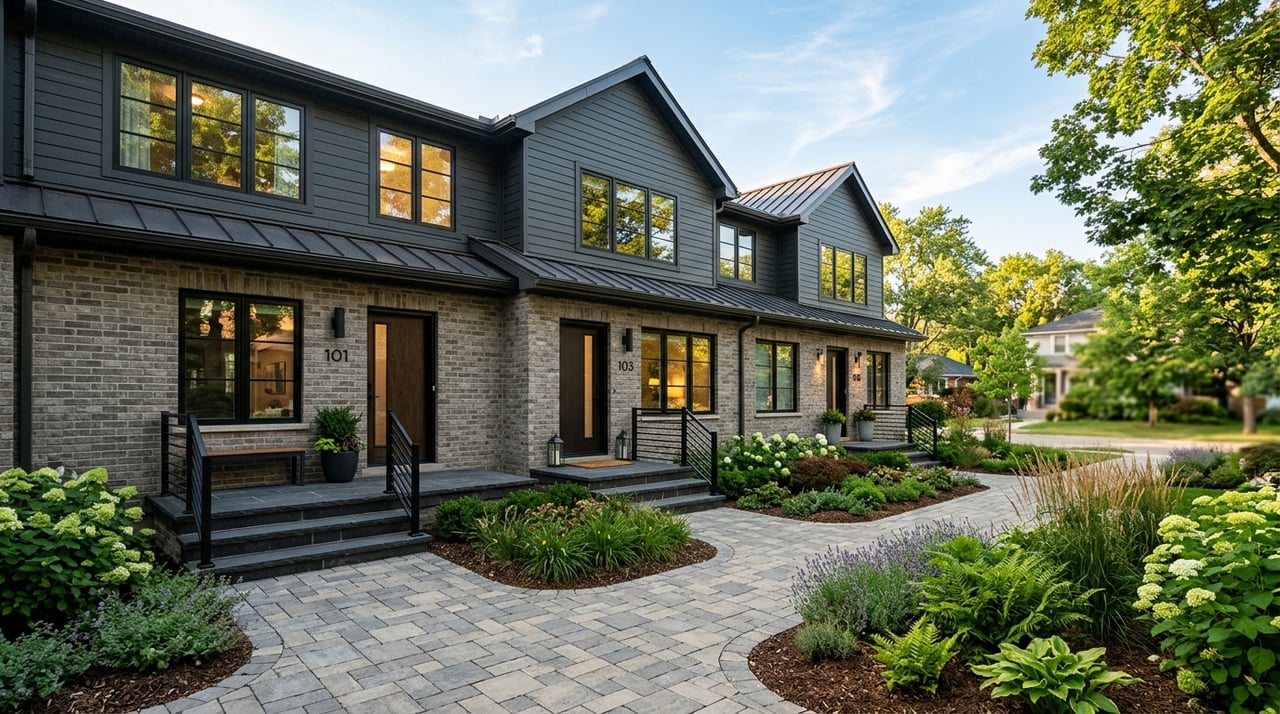
Choosing between a townhome and a single-family home in Littleton is not just about square footage. It is about how you want to live, what monthly costs feel comfortable, and how much upkeep you want to take on. If you are weighing both options, this guide will help you compare the trade-offs clearly so you can move forward with more confidence. Let’s dive in.
Littleton offers both options
Littleton is not a market made up of just one home style. City planning materials describe the housing stock as fairly balanced, with a little over half detached homes and roughly 46% to 47% attached homes. That mix gives you real options, whether you want more independence or a more maintenance-friendly setup.
The market is competitive, too. Redfin reported a March 2026 median sale price of $634,950, with homes spending about 18 days on market, and Realtor.com described Littleton as a seller’s market with homes selling around list price on average. In a fast-moving market like this, it helps to know what matters most to you before you start touring homes.
Townhome vs single-family basics
At a high level, the choice often comes down to control versus convenience. A single-family home usually gives you more authority over the property and more separation from neighbors. A townhome often offers a simpler day-to-day routine, but it may come with HOA dues, shared responsibilities, and community rules.
Neither option is automatically better. The right fit depends on your budget, your lifestyle, and how you feel about outdoor maintenance, privacy, and long-term repair costs.
What townhome ownership often means
In Colorado, many townhomes fall under a homeowners association structure. The Colorado Department of Regulatory Agencies says common interest communities may charge regular dues and special assessments for things like maintenance, landscaping, insurance, reserves, and other shared costs. In general, associations are responsible for common elements, while owners are responsible for their own units.
For you, that can mean less exterior upkeep to manage personally. It can also mean an added monthly cost, possible assessment risk, and rules that affect exterior changes, parking, pets, or landscaping. Before closing, the HOA office recommends reviewing the association’s governing and financial documents carefully.
Colorado law also says an HOA may not prohibit xeriscape or drought-tolerant landscaping on property the owner is responsible for. That is useful to know if outdoor water use and low-maintenance landscaping matter to you.
What single-family ownership often means
A single-family home usually gives you more direct control over the lot and the home itself. If you want your own yard, more privacy, or more flexibility for future projects, that can be a major advantage.
The trade-off is that you are typically taking on more direct responsibility for upkeep and replacement decisions. That is especially important in Littleton, where the city’s comprehensive plan appendix says 71.7% of the housing stock was at least 30 years old. If you buy a detached home here, you should pay close attention to the age and condition of major systems.
Cost is more than the list price
Townhomes often attract buyers because they can be a lower-entry option in an expensive market. Littleton’s housing study found a meaningful historical price gap in 2016, when detached homes had a median sale price of $410,000 and attached homes had a median sale price of $247,750. Those numbers are not current pricing, but they still show why attached homes often appeal to buyers looking for a lower purchase point.
That said, the list price does not tell the whole story. Littleton’s current median owner-occupied home value is $630,600, and the median monthly owner cost with a mortgage is $2,437. Your true monthly cost may vary widely depending on the home type and the community.
Compare the full monthly payment
When you are deciding between a townhome and a single-family home, compare these costs side by side:
- Mortgage principal and interest
- Property taxes
- Homeowners insurance
- HOA dues, if any
- A repair and maintenance reserve
A townhome may have a lower purchase price but higher monthly dues. A single-family home may have no HOA dues or lower dues, but higher repair exposure over time. Looking at the all-in monthly number is usually the clearest way to compare your options.
How property taxes work in Colorado
In Colorado, residential property taxes are based on actual value, the assessment rate, and the local mill levy. The county assessor classifies and values property for tax purposes, and residential property is valued using the market approach. In practical terms, the tax difference between a Littleton townhome and a single-family home usually comes down to property value and taxing district, not to a separate tax system for each home type.
That means you should not assume a townhome automatically has lower taxes. The better approach is to review each specific property’s tax amount as part of your monthly budget.
Lifestyle fit matters as much as cost
The best home choice is often the one that fits your daily routine. Littleton’s 2017 housing survey found that residents ranked cost first when choosing housing, followed by quality public schools and Littleton location. The same study also found that younger buyers cared strongly about transit access and proximity to jobs, while seniors placed more weight on location, cost, and the type or layout of the home.
Those patterns help explain why both attached and detached homes remain important in Littleton. Buyers are not all solving the same problem. Your right answer depends on what this season of life looks like for you.
A townhome may fit if you want simplicity
A townhome may be a strong fit if you want:
- Lower exterior maintenance
- A smaller footprint to manage
- A potentially lower entry price
- A home that supports commuting or lock-and-leave convenience
This option often makes sense for first-time buyers, relocators, and some downsizers. Littleton’s housing study also found strong interest in single-level, low-maintenance housing, including small attached products without stairs, which points to the appeal of simpler living arrangements for many buyers.
A single-family home may fit if you want space
A single-family home may be a better fit if you want:
- More yard space
- More privacy from neighbors
- More flexibility for future changes
- Room for hobbies, pets, or a dedicated office
This choice often appeals to buyers who are thinking longer term about layout and control. If outdoor space and separation matter more to you than convenience, a detached home may feel like the better investment in your day-to-day quality of life.
How to think through your own situation
It can help to picture your real routine instead of an idealized version of homeownership. Ask yourself what you want your weekends to look like, how much predictability you want in your monthly budget, and whether you would rather manage repairs directly or share some responsibilities through an HOA.
Here are a few common examples that line up with Littleton’s housing research.
First-time buyer or relocator
If you are buying your first home or moving to Littleton from out of state, a townhome may feel more manageable. A smaller footprint and lower maintenance demands can make the transition easier, especially if cost, commute, and access to work are high priorities.
This lines up with the city’s survey findings that younger buyers often focus on cost, transit access, and proximity to jobs. It does not mean a single-family home is off the table, but it does suggest why many buyers start by considering attached options.
Buyer who wants room to grow
If you are planning ahead for more space needs, a detached home may offer the flexibility you want. A yard, quieter interior separation, and more room for work or storage can matter a lot if your household needs are changing.
Littleton’s housing study found that schools and layout are major decision factors for residents. If your priorities center on space and function, a single-family home may better support that next chapter.
Downsizer or empty nester
If you want to simplify homeownership, a townhome may be worth a close look. Littleton’s housing study specifically identified a need for low-maintenance, single-level options, especially for buyers who want less yard work and fewer physical demands.
In this case, the goal is not necessarily to spend less. It is often to make daily life easier and more predictable.
Questions to ask before you choose
Before making a decision, compare not only the homes themselves but also the responsibilities that come with them. This is especially important in Littleton, where much of the housing stock is older and ongoing maintenance can be a real part of ownership.
Questions to ask about a townhome
- What do the HOA dues cover?
- How strong is the reserve fund?
- Are special assessments likely?
- Which exterior items are HOA responsibilities?
- Which items would you be responsible for?
- Are there restrictions on pets, parking, rentals, fences, sheds, or landscaping?
Questions to ask about either home type
- How old is the roof?
- How old are the siding and windows?
- How old is the HVAC system?
- How old is the water heater?
- What updates or repairs may be coming soon?
These questions can save you from focusing too heavily on finishes while missing bigger budget items. In an older housing market, the condition of core systems matters just as much as the floor plan.
The best choice in Littleton
In Littleton, the best choice usually comes down to what trade-off feels right to you. A townhome can offer a simpler routine with less exterior work, but it may also come with dues, shared decision-making, and less control. A single-family home can offer more privacy, yard space, and flexibility, but you should be ready for more direct maintenance responsibility.
If you are torn between the two, focus on your life stage, budget, commute, and tolerance for upkeep. When you make the decision through that lens, the right option often becomes much clearer.
If you want help weighing the real monthly cost, comparing neighborhoods, or narrowing down homes that fit your next chapter, Next Chapter Partners is here to guide you with clear, local advice.
FAQs
Should I buy a townhome or single-family home in Littleton if I want lower maintenance?
- A townhome often offers lower exterior maintenance because an HOA may handle some shared upkeep, but you should review what the dues cover and what responsibilities stay with you.
Are townhomes usually cheaper than single-family homes in Littleton?
- Attached homes have historically sold for less than detached homes in Littleton, but your full monthly cost can still vary based on dues, taxes, insurance, and repair needs.
Do townhomes and single-family homes have different property taxes in Littleton?
- In Colorado, property taxes are based on actual value, assessment rate, and mill levy, so the tax difference usually comes down to value and taxing district rather than home type alone.
What should I review before buying a townhome in Littleton?
- Review the HOA governing documents, financials, reserve fund, dues, possible special assessments, and any rules related to pets, parking, rentals, or exterior changes.
Why does home age matter when buying in Littleton?
- Littleton has an older housing stock, with 71.7% of homes at least 30 years old, so the age and condition of major systems like the roof, windows, HVAC, and water heater can have a big impact on future costs.
