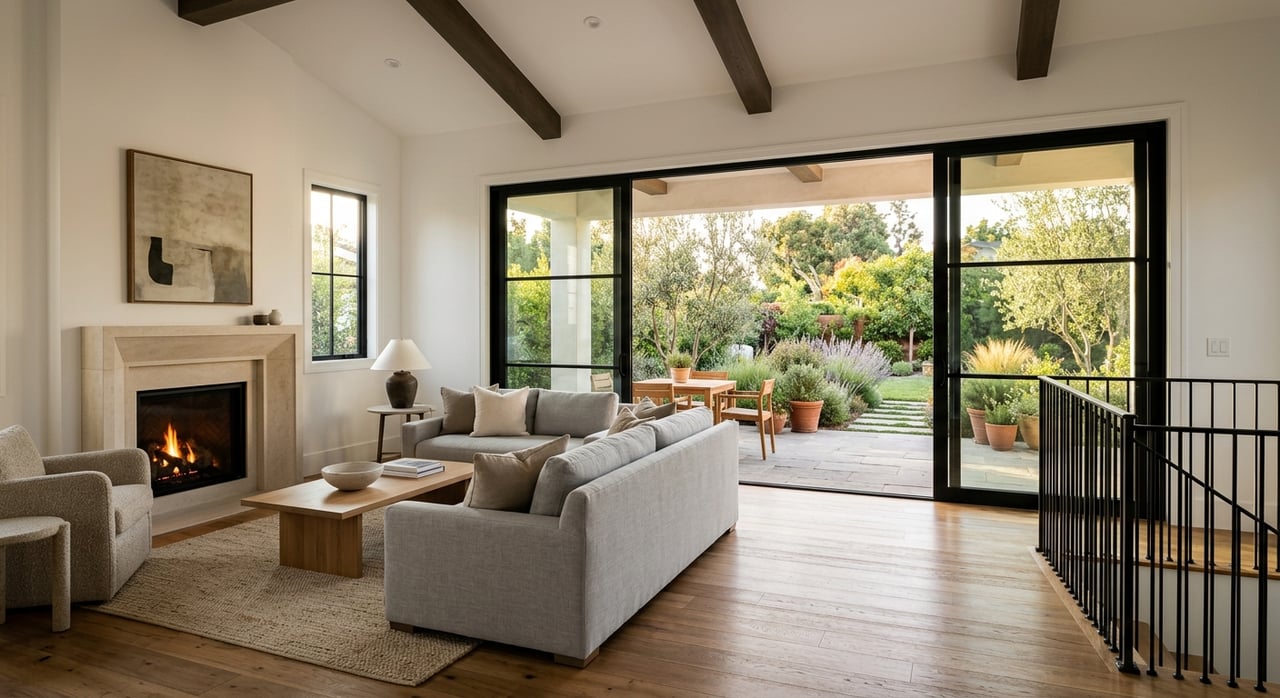
If you are selling a home near the Denver Tech Center, you cannot count on location alone to do all the heavy lifting. Buyers still value DTC convenience, but with more inventory across metro Denver and longer selling timelines than a year ago, the homes that stand out tend to be the ones with sharp pricing, polished presentation, and clear marketing. The good news is that DTC-area sellers have a strong story to tell. From transit access to parks and trails, this guide walks you through how to position your home strategically and sell with more confidence. Let’s dive in.
Why DTC Location Still Matters
Homes near the Denver Tech Center appeal to buyers for practical reasons that shape daily life. In nearby Greenwood Village, the city reports easy access to I-25 and I-225, three light-rail stations within the city, and rail connections that support trips through the metro and toward the airport corridor via RTD service. That kind of connectivity can be a real advantage when buyers are comparing options across south metro Denver.
The area also offers a strong mix of business access and lifestyle amenities. According to the City of Greenwood Village, the community includes part of the Denver Tech Center and major business developments, along with 31 parks and 47 miles of trails and paths. For many buyers, that combination of work access and outdoor space creates a compelling reason to focus their search here.
When you market a home near DTC, the strongest message is usually not just "great neighborhood." It is low-friction daily living: easier commuting, nearby employment centers, trail access, and local destinations that support a busy schedule.
Understand Today’s Market Conditions
Before you set a price or schedule photos, it helps to understand the current market backdrop. REcolorado’s January 2026 housing report showed that active inventory in metro Denver rose to 8,203 homes, new listings increased 3% year over year, and median Days in MLS climbed to 56. Closed listings fell 16% year over year, while the median closed price came in at $569,000.
That data points to a market where buyers have more choices and more time to compare homes. In that kind of environment, sellers usually benefit from being realistic about price and intentional about presentation from day one.
This matters even more for many DTC-adjacent properties because attached homes often take longer to sell. REcolorado reported a median of 64 Days in MLS for attached homes compared with 53 for single-family homes. If your home is a condo, townhome, or lock-and-leave style property, your strategy should account for that extra competition.
Price for the Market You Have
Pricing is one of the biggest decisions you will make, and it should reflect current conditions, not last year’s headlines. With more inventory and a slower pace in the metro market, buyers are more likely to notice when a home feels overpriced.
That does not mean you should underprice your property. It means you should aim for a price that matches the home’s condition, updates, property type, and local competition. A strong pricing strategy can help you attract serious early interest, which is often more valuable than testing an aspirational number and chasing the market down later.
For sellers in the DTC area, a segmented approach matters. U.S. Census QuickFacts for Arapahoe County and Greenwood Village show meaningful differences in home values and household income across the broader area. In other words, buyers are not treating every nearby home the same. Your pricing and messaging should fit your specific property and location, not just the ZIP code.
Stage for How Buyers Shop
Even if your home is clean and well cared for, staging can still make a meaningful difference. According to the National Association of Realtors’ 2025 staging report, 29% of agents said staging increased the dollar value offered by 1% to 10%, and 49% said staging reduced time on market. NAR also found that 83% of buyers’ agents said staging helps buyers visualize a property as their future home.
That last point matters because buyers often make decisions emotionally before they justify them logically. If your home helps them picture daily life there, you are already ahead.
The most important rooms to stage are not always every room. NAR found that the living room ranked first in importance, followed by the primary bedroom and kitchen. If you want to prioritize your time and budget, start there.
A practical seller prep plan often includes:
- Decluttering each room
- Whole-home cleaning
- Removing pet items and arranging for pets to be out during showings
- Refreshing the living room, primary bedroom, and kitchen first
- Making small repairs before photography and showings
For busy professionals selling near DTC, this kind of prep can make the home feel more turnkey, which often matches buyer expectations in this area.
Invest in Digital Presentation
Most buyers will meet your home online before they ever step inside. That is why strong visuals and detailed listing content are essential, not optional.
In NAR’s 2025 Home Buyers and Sellers Generational Trends Report, buyers who used the internet rated photos as very useful at 83%, detailed property information at 79%, floor plans at 57%, virtual tours at 41%, and videos at 29%. Those numbers make one thing clear: your listing should do more than simply show the basics.
A strategic DTC-area listing often benefits from:
- Professional photography
- Detailed property descriptions
- Floor plans when available
- Virtual tours
- Video content for added context
If your property has outdoor features, trail adjacency, mountain views, or a setting that benefits from wider context, aerial imagery may also help. NAR notes that drone photography and video can highlight the home’s landscape, outdoor features, and surrounding location in ways standard photography cannot.
Highlight the Right Local Features
One common mistake sellers make is relying on vague lifestyle language. Buyers respond better when your listing points to specific, useful local advantages.
Near DTC, the strongest local features often include transit access, business proximity, and outdoor amenities. Greenwood Village highlights three local light-rail stations, access to major highways, and connections that support regional travel. It also points to parks, trails, and community amenities that add daily convenience and recreation.
For example, Orchard Hills Park includes tennis, pickleball, a fishing pond, a rock-climbing garden, and a hike-bike trail. Greenwood Village also notes arts programming through the Curtis Center for the Arts and outdoor access near places like the High Line Canal area. These are the kinds of concrete details that can make a listing feel grounded and useful.
When describing your home, focus on features buyers can immediately understand, such as:
- Access to DTC employment centers
- Nearby light-rail stations and highway connections
- Parks, trails, and recreation options
- Outdoor living spaces or lock-and-leave convenience
- Floor plans that support work-from-home flexibility
Build a Launch Plan, Not Just a Listing
Selling successfully near the Denver Tech Center often comes down to execution. NAR’s 2025 buyer-seller highlights show that sellers most want help with marketing the home, pricing competitively, and selling within a specific timeframe. That tells you what matters most: not hype, but a well-managed process.
A strong launch plan usually includes several moving parts working together at the right time. Instead of tackling them one by one as problems come up, it helps to think of your sale as a coordinated project.
Here is what that can look like:
- Price strategically based on current competition and market pace.
- Prepare the home with decluttering, cleaning, repairs, and staging.
- Create strong visuals with professional photography, floor plans, video, and possibly drone imagery.
- Write clear listing copy that highlights commute access, local amenities, and the home’s best features.
- Launch at the right time so the home hits the market in its strongest possible condition.
This is where hands-on guidance can make a real difference. When you have support with vendor coordination, staging recommendations, repair planning, and launch timing, the process tends to feel more manageable and less reactive.
Match Strategy to Your Home Type
Not every DTC-area home should be marketed the same way. A condo near light rail, a townhome with low-maintenance outdoor space, and a larger single-family home in Greenwood Village each appeal to buyers for different reasons.
For attached homes, the strategy often needs extra attention on pricing, presentation, and standout visuals because buyers may be comparing several similar options. Since attached homes are taking longer to sell on average across metro Denver, first impressions matter even more.
For single-family homes, the focus may lean more heavily on layout, outdoor living, proximity to trails and parks, and the convenience of nearby DTC access. If your home also offers flexible rooms, updated finishes, or polished curb appeal, those details should be part of the story.
Sell With Clarity and Confidence
If you are preparing to sell near the Denver Tech Center, the goal is not just to get on the market. It is to come to market with a plan that fits today’s conditions and your home’s specific strengths. Buyers are still drawn to this area for its location, connectivity, and everyday convenience, but they are also more selective than they were in tighter markets.
That is why a smart sale usually starts with honest pricing, thoughtful preparation, and marketing that reflects how buyers actually shop. With the right strategy, you can present your home in a way that feels polished, credible, and well aligned with what DTC-area buyers value most.
If you want a thoughtful, hands-on plan for your sale, Next Chapter Partners can help you prepare, market, and launch your home with the kind of care that fits a major life transition.
FAQs
Should I stage my home before selling near the Denver Tech Center?
- Yes. NAR reports that staging can help reduce time on market and may increase the dollar value offered, especially when you focus on key spaces like the living room, primary bedroom, and kitchen.
How important are professional photos for a DTC-area home sale?
- Very important. NAR found that photos are one of the most useful online tools for buyers, and strong visuals often shape whether a buyer schedules a showing.
What local features should I highlight when selling a home near DTC?
- Focus on practical advantages such as access to light rail, major highways, nearby business centers, parks, trails, and useful lifestyle amenities supported by local sources.
Are attached homes near DTC taking longer to sell?
- In metro Denver, REcolorado’s January 2026 report showed attached homes had a median of 64 Days in MLS compared with 53 for single-family homes.
What is the biggest mistake sellers make in the current Denver metro market?
- One of the biggest mistakes is overpricing. With higher inventory and longer market times, buyers have more choices, so pricing and presentation both matter more.
