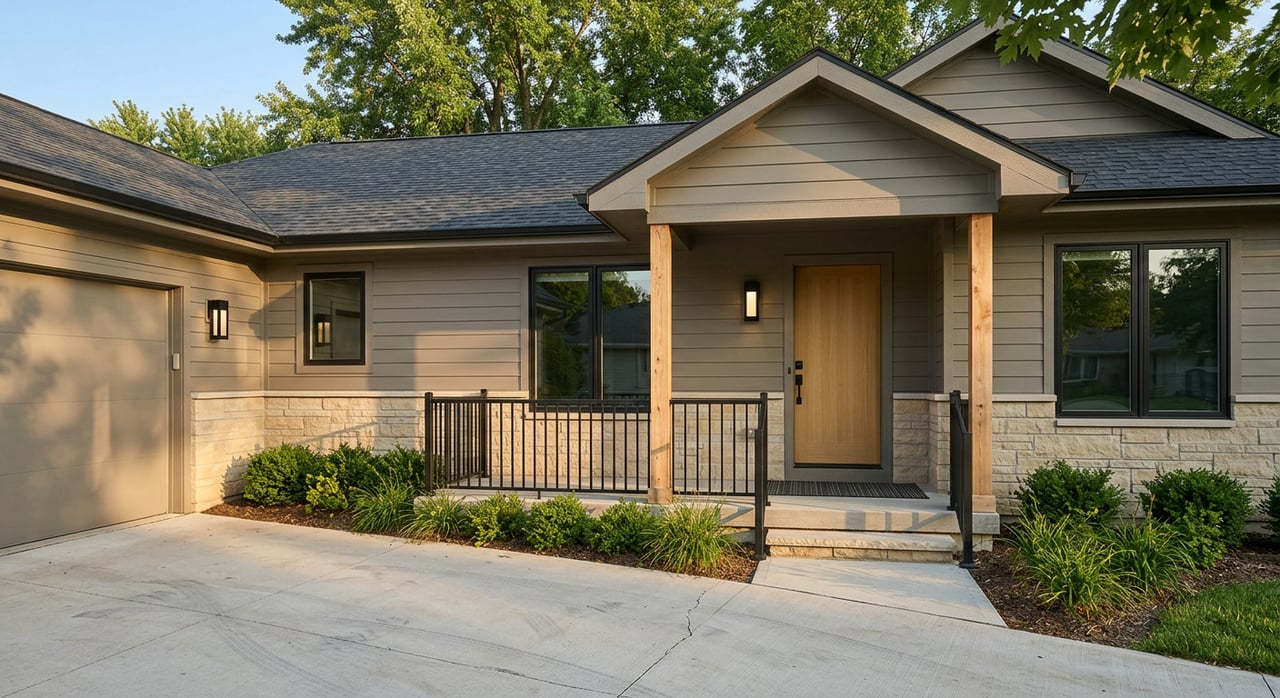
Are you torn between the shine of a brand-new home and the comfort of an established neighborhood in Parker? You are not alone. Choosing between new construction and resale affects your timeline, budget, and day-to-day living. In this guide, you will learn how each option plays out locally, what hidden costs to expect, and the right questions to ask before you sign. Let’s dive in.
Parker snapshot and what it means for you
Parker is growing, which shapes everything from amenities to school planning. U.S. Census QuickFacts shows recent population and housing growth, a reminder that infrastructure and services continue to evolve. You will find a moderate, suburban-paced market where homes can take several weeks or a few months to sell, depending on price point and product mix. For the latest cadence and pricing, lean on current MLS data and builder sales offices rather than national headlines.
Outdoor access is a major draw. Trails, parks, and the Rueter–Hess reservoir area anchor many neighborhoods and master-planned communities. If you value open space and future recreation options, review local updates on the Rueter–Hess reservoir project.
New construction in Parker: what to expect
Where new building is active
You will see significant new-home activity in master-planned areas such as Looking Glass south of Stroh Road, which features national builders and a range of floor plans and price points. Community pages are your best source for current lots, models, and quick-move-in options; start with the Looking Glass community updates. Other planned projects, including portions of Hess Ranch and Anthology, appear in town and school-district materials as large-scale developments with multi-year buildouts. The Douglas County School District documents expected student generation and boundary considerations within its reports, which is helpful context as neighborhoods grow. You can review those planning insights in the DCSD annual comprehensive report.
Builder mix and timelines
Active builders in Parker include large production companies and select regional or local builders. Production homes offer standardized plans with curated finish packages and faster delivery. Semi-custom and custom builds allow deeper personalization but typically extend the timeline. Industry summaries place production build times around several months, while owner-driven projects can run 9 to 18 months or more depending on permits, weather, and supply. Always confirm the site-specific schedule with the onsite sales team.
Warranties and buyer protections
A common warranty structure for new homes is the 1 year for workmanship and finishes, 2 years for major systems, and 10 years for structural coverage. Many builders use third-party, insurer-backed programs. Ask for the documents and claim procedures in writing. Learn more about typical builder warranties through the widely used 2-10 structural warranty model.
Special districts, taxes, and utilities
Many Parker master-planned communities are financed through metro or special districts that levy their own assessments and mill levies. That assessment can materially change your monthly payment. Before you commit, ask for the district’s service plan, current mill levy, and estimated annual cost. The Town’s overview explains how these districts work; start with the Parker metro-district FAQ.
Water and sewer service is typically provided by the Parker Water & Sanitation District (PWSD) or another district, depending on the subdivision. Confirm who serves your lot and what tap or connection fees apply. You can verify service and fees directly with PWSD.
Resale homes in Parker: what to expect
Advantages buyers appreciate
Resale neighborhoods often deliver mature landscaping, established amenities, and a stable feel. You see the finished community, not just a site plan. Established areas may include parks, trails, pools, and clubhouses already up and running. Past sales also give you clear comparables that support pricing and negotiation.
Common risks and costs
With resale, system age matters. Roofs, HVAC units, water heaters, and exterior finishes have life cycles and replacement costs. A thorough inspection and a review of maintenance records are essential. For guidance on inspection scope and phases, consult professional resources like InterNACHI. Expect some near-term maintenance in older homes and plan your budget accordingly.
Side-by-side: which fits your next chapter
Timeline
- New construction: Best if you are flexible. Expect several months for production homes and longer for semi-custom or custom. Confirm contract terms around delays.
- Resale: Often the fastest path to move-in, sometimes within weeks of going under contract if financing and inspections proceed on schedule.
Customization and finishes
- New construction: You can choose plans and finishes, but upgrades and lot premiums add cost. The builder’s base price rarely includes all desired options.
- Resale: What you see is what you get, which can limit upfront costs if the finishes already suit your taste. Remodeling later allows targeted changes but may cost more per item than selecting options during a build.
True purchase price and carrying costs
- New construction: Budget for options, lot premiums, landscaping, window coverings, and potential rate or closing incentives. Do not overlook metro-district assessments and bond repayments that affect your annual taxes. The Town’s FAQ explains how those districts are formed and financed.
- Resale: Price reflects current market conditions and home condition. Factor in likely near-term replacements such as roof or HVAC, plus HOA dues or any special assessments.
Maintenance and warranty
- New construction: Lower short-term maintenance and layered warranties are typical. Ask whether structural coverage is insurer-backed and transferable. See the 2-10 warranty model for a common structure.
- Resale: Higher immediate maintenance risk. A strong inspection can guide repair requests or credits. Independent inspectors follow established standards; explore resources from InterNACHI.
Neighborhood maturity and schools
- New construction: Expect ongoing buildout, evolving traffic patterns, and future amenities. Review school boundary and capacity notes, since large developments add students over time. DCSD provides relevant context in its annual report.
- Resale: Established amenities, known traffic patterns, and a more predictable day-to-day environment.
Resale value and liquidity
- Both: Well-located homes tend to hold value. Resale neighborhoods offer immediate comps, while new homes in completed, amenity-rich communities can perform well once the area stabilizes.
Smart questions to ask before you choose
If you are considering a new build
- What is included in the base price compared with options or lot premiums? Review a written, line-item option list. Many builder pages outline standards and upgrades; check examples like community builder pages at Looking Glass, such as D.R. Horton at Looking Glass.
- What is the target completion date for my plan and lot, and what are the remedies if the builder misses it? Get it in writing.
- Are you enrolled in an insurer-backed 1/2/10 warranty program? Ask for the warranty booklet and claim steps. See the common 2-10 warranty format for reference.
- Is this lot inside a metro or special district? Request the district service plan, current mill levy, and estimated annual assessment. Start with the Town’s metro-district FAQ.
- Which utility districts serve the lot, and what tap or connection fees apply? Confirm with PWSD or the listed provider.
- Can I hire independent inspectors for pre-pour, pre-drywall, and final walk stages? Independent phase inspections are common and advisable; learn more through InterNACHI.
If you are buying a resale home
- When were the roof, HVAC, water heater, and other major systems last replaced? Ask for receipts and service records.
- What repairs or upgrades were completed in the last five years? Are any warranties transferable?
- Are there known grading, drainage, or easement issues? Any history of water intrusion or foundation work?
- What are the HOA dues and any pending special assessments?
- What did prior inspections reveal, and will the seller address items or offer credits?
Local due diligence resources
- Town and county tax details, metro-district basics, and parcel taxing jurisdictions. The Town of Parker FAQs outline metro-district concepts and direct you to assessor records for full tax breakdowns.
- Parker Water & Sanitation District for service areas, tap fees, and long-term water planning.
- Douglas County School District for student-generation forecasts, boundary maps, and capacity notes related to large subdivisions.
- Community builder pages and onsite sales offices for current lot releases, model homes, and quick-move-in opportunities.
- Independent Colorado inspectors who offer new-build phase inspections and full resale inspections following national standards.
How we help you choose with confidence
Buying in Parker should feel exciting, not overwhelming. Our team pairs local market perspective with a calm, step-by-step process so you can compare true costs, timelines, and lifestyle fit with clarity. From coordinating inspectors and contractors to analyzing metro-district assessments and warranty terms, we help you see around corners and avoid surprises.
When you are ready to explore Parker new construction and resale options side by side, reach out to Next Chapter Partners. We offer full buyer and seller representation, relocation support, vendor coordination, and clear market analysis to help you start your next chapter with confidence.
FAQs
How long does a new construction home typically take in Parker?
- Many production homes complete in several months, while semi-custom or custom builds can run 9 to 18 months or more depending on permits, weather, and supply; confirm your builder’s schedule in writing.
How do Parker metro districts affect my monthly payment?
- Metro districts levy separate assessments and mill levies that increase your annual property-tax obligation; request the service plan and current mill levy and review the Town’s metro-district FAQ.
Who provides water and sewer service for new neighborhoods in Parker?
- Many areas are served by the Parker Water & Sanitation District, but some lots fall under other districts; verify service area and tap or connection fees directly with PWSD.
How should schools factor into choosing between new construction and resale in Parker?
- New subdivisions can add students and influence capacity and boundaries over time; consult the Douglas County School District’s planning materials and annual report for neutral, district-published context.
What inspections should I order for a new build or resale in Parker?
- For new builds, consider pre-pour, pre-drywall, and final inspections; for resale, order a full home inspection and specialized checks if needed; see InterNACHI for scope and standards.
