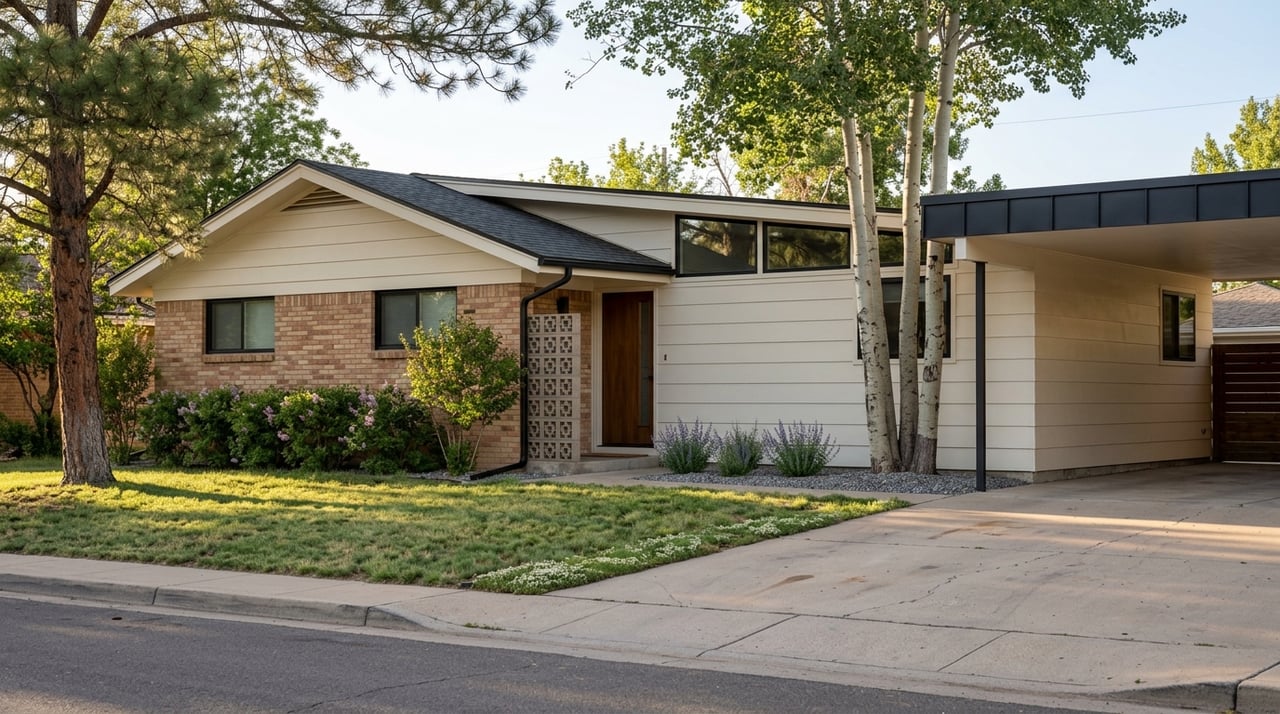
If you love the character of mid-century homes, Wheat Ridge gives you a lot to look at. This city has a deep bench of postwar ranch homes, and many of them still show the design details buyers want today, from big windows to warm wood ceilings and indoor-outdoor living. If you are thinking about buying one, it helps to know what is original, what has been updated, and what deserves a closer look before you commit. Let’s dive in.
Why Wheat Ridge Has So Many Mid-Century Homes
Wheat Ridge has an older housing stock than many other Denver-area suburbs. According to the city, nearly 80% of single-family homes were built between 1940 and 1979, and only 12% were built in 1980 or later as of 2016.
That age range matters because it lines up with the postwar building boom that shaped much of Wheat Ridge. The city’s renovation guide notes that most of its growth happened from about 1950 to 1970, when ranch homes became the dominant style.
In fact, the same guide estimates that about 82% of Wheat Ridge single-family homes are ranches. So when you shop for a mid-century home here, you are usually looking at a practical postwar ranch with mid-century features, not just a rare architect-designed modern home.
Large lots, mature trees, and easy access to downtown and I-70 have helped these homes hold their appeal over time. The city also reports strong reinvestment in existing homes, with more than $85 million in residential addition and remodel permit valuation from 2010 to 2020.
What Mid-Century Means in Wheat Ridge
In Wheat Ridge, mid-century often means simple lines, functional layouts, and a strong connection to the yard. Many homes from this era were built for everyday living, which is part of why they still work well for buyers today.
Typical ranch features in the local design guide include rectangular floor plans, a central living area, smaller bedrooms, low-pitched roofs with projecting eaves, and exterior materials like brick, stucco, or wood. You may also notice that these homes often feel more connected to the backyard than the street.
That backyard focus is a big part of the style. Rear patios, large windows, and mature landscaping can make even a modest home feel open and grounded.
Design Features Buyers Often Love
Some Wheat Ridge mid-century homes still have standout details that are hard to recreate in newer construction. These features often give the home its personality and can be a big part of the buying decision.
Common visual cues in recent local listings include vaulted tongue-and-groove ceilings, exposed beams, brick fireplaces, picture windows, clerestory windows, terrazzo or vintage tile, wood slat room dividers, and covered patios. Not every home will have all of these elements, but even one or two can make a house feel special.
Natural light is another major draw. Bigger windows and open sight lines can make these homes feel brighter than you might expect from the outside.
If you are touring homes, pay attention to the details that still feel true to the original design. A house does not need to be untouched to feel authentic, but the best ones usually keep some of the features that give the style its charm.
How Flexible These Layouts Can Be
One reason buyers keep coming back to Wheat Ridge ranch homes is that many are adaptable. The local design guide notes that these homes often have structural exterior walls and non-structural interior walls.
That matters because interior spaces can sometimes be opened up or reworked more easily. It is one reason you see so many renovations that add larger kitchens, expanded living areas, bigger windows, front courtyards, rear patios, or added primary suites.
For buyers, this creates options. You may find a home that works as-is, or one with a layout that could evolve over time without losing its mid-century character.
Renovated Versus Original Homes
Not all Wheat Ridge mid-century homes have been updated the same way. Some have only been lightly refreshed, while others have gone through major renovations.
A lighter update may include refinished wood, newer flooring, open-concept changes, fresh paint, or flexible spaces for an office, guest room, or gym. These homes may feel more current day-to-day while still keeping much of their original personality.
A deeper remodel can go further with new cabinets, counters, appliances, lighting, and visible electrical updates. At the high end, some renovated homes also advertise major system improvements like new plumbing, new electrical, sewer line replacement, upgraded heating systems, or higher-performance windows.
This is where buyers need to slow down and ask better questions. A beautiful kitchen is nice, but it does not tell you whether the plumbing, sewer, insulation, or wiring behind the walls has actually been improved.
What to Check Before You Buy
When you are buying an older home, inspection and documentation matter just as much as curb appeal. Wheat Ridge mid-century homes can be wonderful purchases, but you want to know what you are really getting.
Here are some of the biggest things to review:
- Permit history for additions, basement finishes, remodels, and system updates
- Electrical updates, including whether older components were replaced
- Plumbing and sewer line condition, especially in homes renovated in stages
- Window performance in homes with lots of original glazing
- Roof condition and drainage, especially with low rooflines and mature trees
- HVAC and insulation details, not just cosmetic improvements
- Basement finish quality, including whether sleeping areas have proper egress where applicable
A good rule is simple: ask for proof, not just promises. Seller disclosures, invoices, inspection reports, and permit records can help you separate cosmetic work from meaningful upgrades.
Why Permit History Matters in Wheat Ridge
The City of Wheat Ridge says it has building permit records from 1969 forward across several systems, including its current OpenGov portal. The city also warns that work done without a required permit violates municipal code and can lead to delays and extra fees.
That makes permit research especially important when you are buying a remodeled mid-century home. If a seller says the basement was finished, walls were removed, or the electrical and plumbing were updated, you should ask for permit copies and contractor invoices when available.
Documentation may be limited for work completed before 1969, so this is not always a perfect paper trail. Still, the more records you can review, the clearer your picture will be.
Health and Safety Issues to Keep on Your Radar
Because many Wheat Ridge mid-century homes were built before modern materials standards changed, a few health and safety items deserve extra attention.
For homes built before 1978, lead-based paint is a standard concern. Older paint can become hazardous if it is deteriorating or disturbed during repairs or remodeling.
Asbestos is also a realistic possibility in older homes. Suspect materials may include floor tile, ceiling tile, pipe wrap, insulation, drywall, and related products, especially if future renovation work could disturb them.
Radon should also be part of your inspection conversation in Colorado. The Colorado Department of Public Health and Environment says radon is found at elevated levels in one out of every two Colorado homes and recommends testing the lowest living area of the home.
Basements Can Add Value
Many Wheat Ridge ranch homes include basements, and some finished basements add meaningful living space. In local listing examples, buyers can find lower levels used for family rooms, guest suites, bedrooms, workshops, and flexible bonus areas.
That added space can make a mid-century ranch live much larger than its main-floor square footage suggests. It can also improve how the home fits your day-to-day needs.
Still, a finished basement is only as valuable as its quality. Ask whether the finish work was permitted, whether windows were added or enlarged, and how the lower level handles moisture, light, and ventilation.
Price Range Can Vary Widely
One of the biggest surprises for buyers is how much pricing can vary within this style. Recent local examples show a broad range, from remodeled brick ranches around $540,000 to larger or more distinctive homes around $1.06 million and $1.96 million.
That spread is not just about age. It often reflects lot size, neighborhood location, architectural character, views, and the depth of renovation.
In other words, two homes built in the same decade can offer very different value. The smarter comparison is not just year built, but condition, systems, setting, and how well the home’s original character has been preserved.
What Makes a Strong Mid-Century Buy
In Wheat Ridge, the best mid-century purchase is often the one with strong bones. Look for a workable ranch layout, good natural light, a lot that supports outdoor living, and solid documentation for major improvements.
If style matters to you, focus on the details that give the home its identity. Beams, large windows, brick or sandstone accents, patios, and thoughtful indoor-outdoor flow are often the features that make these homes feel timeless.
At the same time, do not get so focused on the design that you miss the hidden systems. The sweet spot is usually a house where the character is still intact and the major systems have truly been modernized.
If you are exploring Wheat Ridge homes and want help sorting charm from risk, Next Chapter Partners can help you evaluate the details, understand the tradeoffs, and move forward with clarity.
FAQs
What defines a mid-century home in Wheat Ridge?
- In Wheat Ridge, mid-century usually refers to postwar ranch homes built largely between 1950 and 1970, often with simple layouts, low rooflines, large windows, and a strong connection to outdoor space.
What features should buyers look for in Wheat Ridge mid-century homes?
- Buyers often look for beams, vaulted wood ceilings, brick fireplaces, picture or clerestory windows, vintage tile, patios, and mature landscaping, along with a layout that still feels functional today.
What should buyers inspect in an older Wheat Ridge ranch home?
- Buyers should closely review permit history, electrical, plumbing, sewer lines, roof condition, window performance, drainage, HVAC, insulation, and the quality of any basement finish or major remodel work.
Why are permit records important for Wheat Ridge homebuyers?
- Permit records can help you confirm whether additions, remodels, and system upgrades were completed with required approvals, which may reduce surprises, delays, or added costs later.
Are radon and lead paint concerns in Wheat Ridge mid-century homes?
- Yes. Radon testing is important in Colorado, and lead-based paint is a standard issue to consider in homes built before 1978.
Are renovated Wheat Ridge mid-century homes always a better buy?
- Not necessarily. A renovated home may look updated, but the better buy is often the one that keeps its character and has verified improvements to major systems, not just cosmetic changes.
